
This massive data breach highlights the importance of businesses taking a proactive approach to cybersecurity to prevent similar incidents in the future. A credit card dump can result in significant financial losses for both consumers and companies. For individuals, credit card dumps can lead to identity theft, unauthorized transactions, and other fraudulent activities. In some cases, the stolen information may be used to open new credit accounts or loans, leading to long-term consequences such as damaged credit scores and financial strain.
Top Dark Web Marketplaces Of 2025: A Deeper Dive Into Illicit Trade Markets
Nixon said breaches of criminal website databases often lead not just to prevented cybercrimes, but also to arrests and prosecutions. The Federal Trade Commission oversees a website called IdentityTheft.gov, which provides the appropriate steps to report and recover from credit card fraud. If you believe your credit card information has been compromised, contact the credit card company immediately to cancel your credit card and outline unauthorized charges. Numerous credit card companies follow a “zero liability” policy, meaning you will not be held liable for unauthorized charges. When Torrez closed in December it was one of the largest English-language marketplaces in the world selling drugs, hacking tools, counterfeit cash and criminal services. These stolen cards have value because they can be used to purchase high-value items or gift cards, which can then be resold for cash.
Understanding the methods behind credit card dumps is essential for both individuals and businesses to take preventive measures against this type of cybercrime. In the next section, we will explore how consumers and companies can safeguard themselves from these attacks. In conclusion, Blackpass is a controversial dark web marketplace known for offering stolen credit card information through its dumps. While the site claims to source data ethically, there are substantial risks involved in its use.
B1ack’s Stash, on the other hand, emerged in 2024 and quickly gained attention by releasing millions of stolen credit card details for free—a tactic often used to attract cybercriminals. While it shares a similar purpose with Joker’s Stash, there is no confirmed connection between the two. With the growing threat from cybercriminals who sell stolen credit card information on the deep web and dark web, businesses need to stay ahead of the game.
- Operators behind the popular dark web carding market ‘BidenCash’ have released a dump of 1,221,551 credit cards to promote their underground payment card shop.
- The consequences for consumers can include financial losses due to fraudulent purchases and identity theft.
- Stealing credit card information and selling it can prove to be lucrative for the individuals behind it, with such sensitive data usually being sold in batches.
- “By the time the data is in the underground, it’s gone through a number of stages to get there.
- The intelligence gathered from these markets helps security teams predict and prevent future attacks.
- The closure of Joker’s Stash left a gap in the cybercriminal ecosystem, which was later filled by other marketplaces.
Apple Watch Ultra 3 Review: Biggest Is Best, Except If It’s Not
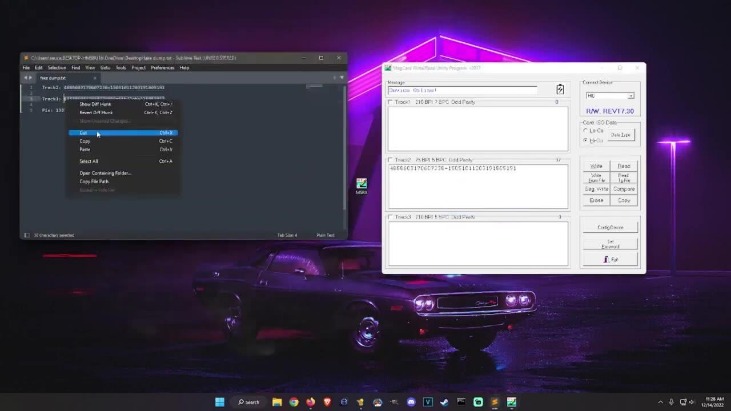
These generated numbers link to your real card but can be limited by merchant, amount, or time. Early detection enables your security team to prevent a transaction, minimizing the risk of a chargeback. Require multi-factor authentication for high-risk transactions, but it needs to be implemented intelligently.
Over the years several advanced tools have been developed to help track and prevent such fraudulent activities. As detailed in a Saturday report from Bleeping Computer, BidenCash first came onto the scene in June this year when they leaked several thousand credit card details for free online. If the number of credit cards from this latest release are still active, it would point to the site blossoming over the course of just a few months, as well as just how prolific online credit card theft has become. Last year, another hacker credit card shop All World Cards released over 1 million card details online.
Why Monitor Deep And Dark Web Credit Card Sites?
Financial institutions, merchants, and individuals must prioritize robust security protocols, employ encryption technologies, and stay updated on the latest threats to prevent credit card information from falling into the wrong hands. By following these measures, you can significantly reduce the risk of falling victim to credit card dump fraud. It is important to stay informed about the latest security threats and continuously educate yourself on best practices for protecting your financial information. It is essential to note that credit card dump activities are carried out by skilled individuals who exploit vulnerabilities in security systems. As technology advances, so do their methods, making it crucial for both consumers and businesses to stay vigilant and employ robust security measures to prevent credit card information from falling into the wrong hands. Our investigation into the activities of b1ack’s Stash has unveiled a substantial threat to the security of payment card data across local banks.
Dumps Credit Cards: A Guide To Definition, Impact, And Prevention
But that’s not all; there are also cardholder details such as their full name, address, date of birth and telephone number as well as email address. Pretty much everything you would need to commit credit card fraud or launch phishing attacks against the cardholder. This involves adding daily listings of stolen credit card details to the site and periodically dumping large amounts of stolen credit card details at the same time.
Check To See If Any Of Your Credit Cards Are Exposed By This Dark Underground Market
- The Magecart group pioneered this technique, compromising thousands of online stores by exploiting vulnerabilities in popular e-commerce platforms.
- In addition to just selling credit card details, some threat actors offer a “complete package” often referred to as “Fullz”.
- Moreover, cybercriminals may combine stolen credit card numbers with other sensitive data, like Social Security numbers or addresses, to commit more sophisticated types of identity theft.
- The site’s operator also apparently contracted covid-19, according to a post on the site’s forum in October.
- While no method is foolproof, being informed and proactive in safeguarding your financial data goes a long way towards protecting yourself from cybercriminals.
Regularly updating software and implementing multi-factor authentication are essential steps that businesses can take to minimize the risk of credit card dumps. Training employees on best practices for handling data and creating a culture of security awareness can also help prevent attacks. The connection between credit card dumps and identity theft is both undeniable and alarming.

Threat Actor Profiles
Carders are still hard at work, but recent trends — including the appeal of ransomware — have altered the ecosystem. These methods are deliberately designed to cast a wide net, targeting users across multiple platforms where significant groups are likely to input their payment card information, thereby maximizing the potential to capture valuable data. Sometimes hackers will commit “card-present fraud” by breaching the point of the sale at a physical store. Or they’ll commit “card-not-present fraud,” by hacking a website and stealing the online card information that gets entered into the checkout page. As data breaches become more common, and scammers grow more sophisticated, this is a reality many people are having to contend with.
They can also assist you in freezing your bank and credit card accounts to prevent further unauthorized use by criminals. You’re probably wondering how things like a PayPal account login or credit card details end up on the dark web. People unexpectedly have their card cloned, their identities stolen, or their accounts hacked. Most stolen card details end up on the dark web marketplace for a quick profit, and this can happen before you even know about it. In line with b1ack’s freebie marketing strategy, they announced the release of 1 million stolen payment cards for free on several popular carding forums on the last day of April this year.
Historically, some of the most significant credit card dump attacks have resulted in staggering numbers of affected consumers. For instance, Capital One’s 2019 breach led to approximately 106 million customers and applicants in the U.S. and Canada having their personal information compromised, including credit card details. Similarly, Canva experienced a breach in May 2019, resulting in nearly 140 million user accounts being compromised, with both personal information and credit card numbers stolen. Alex proceeds to the dark web, where he lists the credit card dump for sale to the highest bidder, often demanding payment in cryptocurrency for anonymity. Another cybercriminal, a buyer, purchases the dump and obtains access to this treasure trove of stolen credit card data. In a more recent development, on February 19, 2025, B1ack’s Stash escalated its operations by claiming to leak an additional 4 million stolen credit card details for free.
Social networks and fake online casinos are two common and attractive ways of installing malware onto websites. It’s a good idea not to download anything from sites or sources you don’t know and trust. When installed on compromised systems that run on Microsoft Windows, Android, and other operating systems, malware gives hackers complete access to machine capabilities. These can hijack computer resources via ransomware or steal user or patient information. Most email dumps are aggregations and collections of other email breaches, so the quality standards are common—we get what we pay for. “This process is known as ‘carding,’ and it has become a key part of the cybercriminal’s playbook,” Elliptic researchers said.

The seizures were orchestrated by the Department “K,” a division of the Ministry of Internal Affairs of the Russian Federation that focuses primarily on information technology-related crimes, according to Flashpoint. In a related development, state-owned news agency TASS said that six Russian individuals were being charged with “the illegal circulation of means of payment.” As demand for security and customer service quality rises, Dark Web sites are adopting traditional marketing tactics such as discounts, coupons, and product reviews. The sad truth is that the growing supply of personal information on the Dark Web makes it cheaper—and therefore more likely—that your accounts will be hacked.