
MAHA, microangiopathic hemolytic anemia; LDH, lactate dehydrogenase; ADAMTS13, a disintegrin and metalloprotease with thrombospondin type 1 repeats, member 13. The mortality rate of cancer-related TMA is high due to its association with disseminated malignancies or withdrawal of chemotherapy. The AP is a constantly turning over positive feedback loop which is recruited by the other pathways to facilitate a rapid response to pathogens and this amplification loop is tightly controlled by a series of cell surface and plasma regulators to prevent over activation. The Oklahoma TTP‐haemolytic uremic syndrome (HUS) Registry was set up to observe the long‐term outcomes of patients who have had TTP or HUS. Studies using this registry have found much higher rates of cognitive decline and depression in patients who have had TTP.
DIC pathogenesis also suggests that a procoagulant exposure may initiate the disease 145, although it shares many potential triggers with TMA 146. Scoring systems were developed to improve diagnosis accuracy of DIC, such as the ISTH (International Society of Thrombosis and Hemostasis) score, with a sensitivity and specificity above 90% 7,146. Although the mechanisms of endothelial injury during DITMA still remain unknown; immune-mediated mechanisms or dose-dependent and cumulative toxicity are implied (11). The hypothesis is based on the observation of the timing of TMA occurrence, the pattern of disease, the exclusion of a better explanation thorough investigation.

Shifting Perspectives In Treatment-Resistant Depression: Novel Therapies And Patient-Centered Care
Furthermore, identification of specific and rapid biomarkers is needed to accurately diagnose and distinguish TA-TMA, acute GVHD, and VOD. Finally, there is a significant and urgent need for both adult and pediatric transplant communities to participate in randomized, placebo-controlled trials to assess the efficacy of TA-TMA–directed therapy. Your doctor may examine the blood under a microscope to determine if there are any damaged red blood cells (known as schistocytes). Positive testing in a child who has recently had bloody diarrhea will lead to a diagnosis of HUS. Normal blood has completely round red blood cells and plenty of tiny platelets. When you suffer from TMA your blood will have deformed red blood cells (called schistocytes) and no platelets.

VEGF Inhibitors
Tumor-induced TMA (TiTMA) is a relatively rare paraneoplastic syndrome, with little incidence data. A retrospective French study analysed primary and secondary TMAs, reporting a TiTMA incidence of 19% 139. Most patients had already been diagnosed with cancer, although it can occasionally be a presenting sign of malignancy 89,140.
Maximizing Safety With Antibody-Drug Conjugates: Essential Practices For HER2, Trop-2, And HER3 Treatments
There are also solid particles in the blood, including red blood cells and platelets. Red blood cells carry oxygen from your lungs to the rest of your body, including the cells of your kidney. Platelets have the job of plugging up any damaged part of the blood vessel to keep it from leaking. Glucose-6-phosphate dehydrogenase (G6PD) deficiency is an X-linked recessive condition that occurs due to mutations in G6PD, and is another TMA mimic.
Drug-Induced Thrombotic Microangiopathy (DITMA)
Shiga toxin was first detected in Shigella dysenteriae and this remains an important cause of HUS in developing countries. The clinical features are similar to STEC‐HUS but the diarrhoea is initially more watery before becoming bloody or mucoid and fever is common. Although less than 10% of children with the infection will develop a TMA, it has a high mortality rate and those who survive are more likely to develop chronic kidney disease. TTP is rare in the United Kingdom with an annual incidence of six per million.3 TTP may be either acquired (aTTP) or congenital (cTTP). ATTP is the common form of TTP in adults and occurs secondary to anti‐ADAMTS13 autoantibodies.
This form of TMA can be seen with mucin-producing adenocarcinomas as well as disseminated malignancies. What occurs is microvascular obstruction with cancer cells, consumption of platelets in tumor microthrombi, and fragmentation of the passing red blood cells. As we learned in the drug-induced TMA section, chemotherapy agents like mitomycin-C, cisplatin, gemcitabine, or bevacizumab can cause TMA which will typically resolve with the withdrawal of the offending drug. The 344 articles reporting individual patient data described 586 patients with TMA attributed to 75 drugs. For 51 of these 75 drugs, we attributed the potential association with TMA to an immune-mediated mechanism; for 26 drugs, we attributed the association to a toxic mechanism. For 2 drugs, gemcitabine and oxaliplatin, most reports were consistent with a toxic mechanism but each of these drugs also had reports consistent with an immune-mediated mechanism.
Drug-induced Thrombotic Microangiopathy: Incidence, Prevention And Management
An otherwise strong thrombotic thrombocytopenic purpura (TTP) team missed the cut for the NephMadness bracket because of its underwhelming effect on the kidneys. The mechanism by which human immunodeficiency virus (HIV) causes aHUS is unclear but is thought to be due to endothelial damage. The incidence of TMA in patients with HIV has reduced significantly since the application of highly active antiretroviral therapy and is now ~0.3%.72 Treatment is supportive with optimisation of antiretroviral therapy. Treatment is supportive (dialysis, red cell transfusion) and treatment of the underlying infection. PE is a contentious issue due to concerns that infusing plasma containing more anti‐T IgM will worsen the disease state.
- For each entity, pathophysiology, clinical features, therapeutic approaches and prognosis will be covered.
- More recent reports support a causal association of ixazomib with DiTMA, suggesting this is a class adverse effect 80, 81, 82.
- In the setting of COVID‐19 induced complement‐mediated aHUS, C5 inhibition would be the treatment of choice.
- In some patients liver toxicity(17) and disseminated intravascular coagulation(18) also occur.
- Numerous drugs are described in scientific literature as causative of TMA, mostly as little case series, and the number is rapidly increasing (see Table 1).
- In addition, novel reports have unraveled potential new mechanisms that might contribute to a targeted therapy of this syndrome.
Drug-Induced Thrombotic Microangiopathy Resulting In ESRD
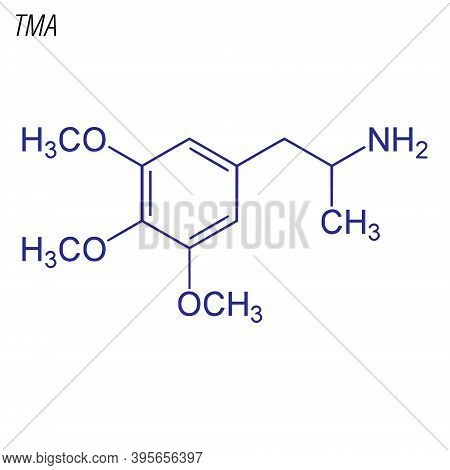
This leads to platelet adhesion, aggregation and ultimately the formation of microvascular thrombi. The remaining isomers were numbered by Shulgin in the order of their progressive position of substitution, as abbreviated above. The values for relative human potencies of TMA-4, -5, and -6 compared to that of mescaline were evaluated to be 4, 10, and 10, respectively. The isomers, except TMA-3, have both stimulant and psychedelic effects, and their qualitative effects on mood alteration and sensory enhancement are similar to those of mescaline. Although their physical health risks and toxic doses in humans have never been clarified, mental health risks are assumed to be similar to those of other hallucinogens.
We searched 12 databases to identify English-language reports of patient data that described TTP, HUS, or TMA attributed to a drug or other substance (supplemental Table 1, see supplemental Data available at the Blood Web site). Articles were selected for review if their title or abstract suggested that they reported individual patient or group data on patients with a diagnosis of TTP, HUS, or TMA and a suspected drug etiology. All articles were reviewed independently by 2 or 3 of the authors (Z.L.A.-N., J.A.R., J.N.G.). In a series of 9 cases of TMA related with monoclonal gammopathies 149, all the patients presented with a kidney-limited TMA, with no confounding factors on presentation. It has to be noted, however, that genetic mutations on complement factors and ADAMTS13 activity were not evaluated in all patients.
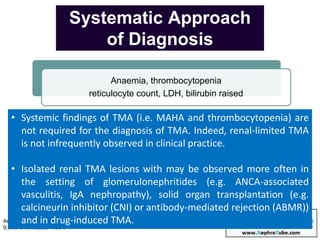
Docetaxel is a taxane derivative that stabilizes microtubules, used in several solid cancers. Nevertheless, the presence of an alternative potential TMA trigger, namely another drug 51,58 or a metastatic cancer 59, was frequent. The first cancer drug recognized as a cause of TMA was Mitomycin C (MMC), but currently there is a fast-growing list of potential TMA triggers 1,5,6,14. TMA investigation will only be pursued if a complete anamnesis and physical examination allows for a high grade of suspicion. This is an important aspect due to the fact that TMA is the presentation of many different diseases, with a wide differential diagnosis that demands a multidisciplinary approach 4. TMA-2’s psychedelic effects are believed to come from its efficacy at the 5-HT2A receptor as a partial agonist.
DITMA accounts for 10%–13% of all TMA cases and about 20%–30% of the secondary TMAs, representing the third most frequent cause, after pregnancy-related and infection-related forms (Bayer et al., 2019; Beloncle et al., 2021). The real incidence of DITMA remains undetermined but is probably underestimated. The alternative pathway is constantly “on” but tightly controlled, a process referred to as “C3 tickover.” The complement protein 3 (C3) spontaneously hydrolyses to a partially active C3b, which in turn catalyzes further conversion of C3 to C3b. C3 is 1 of the most abundant proteins in the blood, and the constitutive conversion of C3 to C3b provides the substrate for rapid activation and amplification of downstream complement activity. In health, the presence of several regulators of complement safeguards against inappropriate activation of C3b, but also allows for rapid complement activation when C3b is bound to a target, for example, during infection.