The average salary for both project managers and program managers is about $75,000 to $90,000. Because program managers often have more experience than project managers, the compensation may be higher. A product manager oversees the products being developed within an organization, managing every aspect of the product life cycle.
- This ensures that projects are completed on time, within budget, and to the desired quality standards.
- Think of Planner as a to-do list on steroids, and Project as a full project planning toolbox.
- It is a long-term initiative that involves multiple projects, each with its own objectives and deliverables.
- Learn the secrets to recruiting, hiring, & managing an ultra productive, remote team.
- Furthermore, a powerful project and program management platform can enhance your organization’s performance.
The Principles Of Process Management
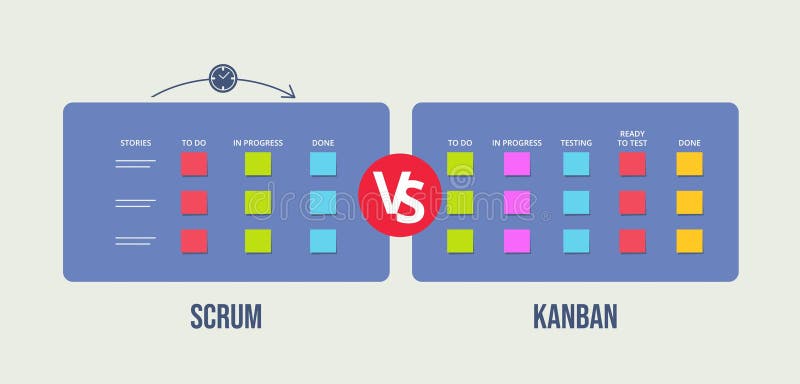
The program manager oversees multiple projects, including clean water initiatives, healthcare support, and education programs, to ensure they align with the organization’s mission and deliver meaningful benefits. Projects and programs may differ, but project management software can help you manage both. ProjectManager is a flexible software that delivers real-time data to help you make more insightful decisions. Use multiple project management tools such as Gantt charts, kanban boards, timesheets and dashboards to track projects, programs and portfolios. One of the key differences for program management is that the scope is very broad and includes more than strategic planning for achieving specific deliverables.
Fun Virtual Games To Play With Groups Online
By understanding these differences, you can choose the right approach for your business and optimize your workflow for success. Creating a to-do list is a simple yet effective technique to keep track of tasks and ensure nothing is missed. This helps in keeping track of what needs to be done and ensures that nothing is missed.
Initiatives Vs Projects Frequently Asked Questions (FAQs)

So, let’s delve into their fundamental characteristics, starting with the nature and scope of a project. In this article, we will clearly define projects and programs, highlighting their unique characteristics and revealing how each plays a crucial role in achieving organizational objectives. Confusion surrounding these terms can lead to inefficient management and hinder the successful implementation of your strategic goals. All three management types are designed to achieve one or more strategic objectives but at different levels of granularity. The program manager often plans future projects while remaining informed about current projects so they can make adjustments to the overall plan as needed.

— it’s a mode of working that stresses flexibility, iteration, and regular phases of planning. The day-to-day responsibilities that are part of the program management process are more about managing all ongoing projects in a larger portfolio. Projects have a defined lifecycle that consists of distinct phases, such as initiation, planning, execution, monitoring, and closure. The duration of a project can vary significantly, ranging from a few weeks to several years, depending on its complexity and scope. Once the project’s objectives are achieved, it is closed, and the team is disbanded. Remember, these misconceptions can hinder your ability to effectively manage projects and tasks.
You are probably have more experience working on projects than you think you do. Look around your personal life for all of the projects you are managing as well. Plus many smaller initiatives like organizing staff training, organizing a team building day out, setting up a series of lunch and learns and more. The intent to publish is an insufficient criterion for determining whether a QI activity involves research. Planning to publish an account of a QI project does not necessarily mean that the project fits the definition of research.
This collaborative effort fosters a sense of ownership among team members, ultimately leading to a more cohesive and effective launch. For instance, in a software development project, tasks may include user requirement gathering, programming, testing, and deployment. Additionally, tasks can vary in complexity and duration, which means that project managers must be adept at prioritizing them based on urgency and importance. This prioritization ensures that critical tasks are completed first, thereby minimizing potential bottlenecks that could delay the entire project. Furthermore, the management of resources in a project context often involves budgeting, scheduling, and risk assessment. Project managers must ensure that the right resources are allocated at the right times, which can be a complex task in itself.
By employing a project approach, organizations can remain agile, allowing them to pivot and respond to new opportunities or challenges as they arise, ensuring that they stay relevant in a rapidly evolving marketplace. Determining when to adopt a project management approach versus task management is vital for achieving success, particularly in complex and scale-driven environments. A clear understanding of this relationship can guide managers in structuring their workload more effectively. To some extent they are, but it’d be misleading to say that the only difference between project management and program management is the number of projects under their care.
Role Of A Project Manager
For example, an opening of a big branded store, let’s say Apple, is something that has happened more than a few times, so it’s assumed that the company follows a process when doing so. However, setting up a shop in a new location can be considered a project as leasing property in different locations requires various procedures and regulations to follow. The phases of the project management life cycle follow a series of stages that are required to be completed.
It boasts advanced scheduling tools, detailed resource engagement features, enhanced integration options, and capabilities like portfolio management and what-if scenario analysis. Microsoft Project Standard serves as a stepping stone into advanced project management, offering core features that cater to the essential needs of teams and businesses. This version is designed to facilitate project scheduling, task assignment, and progress tracking, ensuring seamless execution. While it sounds like a project management tool, it’s more of a task management app that helps with projects through work management and team collaboration. Along these lines, it shows the tasks that are behind schedule, prioritizes tasks and shows how many tasks each team member has to complete and if they’re over-allocated.
Portfolio & Scenario Management
An initiative is a broad, overarching goal or objective that an organization or individual sets out to achieve. It often involves multiple projects and activities that work towards a common purpose. On the other hand, a project is a specific, defined task or set of tasks with a clear start and end date, aimed at achieving a specific outcome. While initiatives provide the overall direction and vision, projects are the actionable steps taken to accomplish the goals set forth by the initiative.
The Project Manager
There is a high demand for product managers in the job market, implying that certifications such as AIPMM’s can enhance employment prospects. Acquiring a project management certification like PMP from the Project Management Institute can provide a significant advantage in job market competitiveness and earning potential. A project charter and project scope statement are key documents that define the deliverables for a project, serving as references to ensure that what is delivered aligns with what was initially agreed upon. They can be both tangible items like hardware or software, and intangible results such as those from a service or a training program. In summary, VirtoSoftware apps are a compelling and feature-rich alternative to both Microsoft Planner and Microsoft Project. For instance, Virto Kanban Board App offers sophisticated Kanban boards tailored for agile workflows, while delivering robust process automation capabilities for task tracking and notifications.
It also involves ensuring that teams have enough resources to complete their work on time without sacrificing quality. Professionals using the Professional edition gain access to advanced scheduling, portfolio management, and enhanced integration features. These elements are especially useful for organizations managing multiple projects or seeking enterprise-level coordination. Recent data indicate that Microsoft’s Project & Portfolio Management tools are most commonly used in large organizations, specifically those with over 10,000 employees and revenues exceeding USD 1 billion. If you are looking for a person to assist with strategic alignment for ongoing, cross-functional needs that might involve multiple projects, then you would benefit from a program manager. If, on the other hand, you need help with technical deliverables and milestones for a specific project, a project manager will fit the bill.
Planner integrates seamlessly with other MS 365 tools like Microsoft Teams, allowing for easy communication within project channels. You can define project baselines to track progress against the original plan and identify potential delays. Project tasks are then added as cards within these buckets, and you can assign them to team members, set due dates, and attach files. This breakdown highlights the Feasibility, Viability, and Value focus of products compared to the Budget, Scope, and Time focus of projects, as shown in the diagram. Amanda Athuraliya is the communication specialist/content writer at Creately, online diagramming and collaboration tool. She is an avid reader, a budding writer and a passionate researcher who loves to write about all kinds of topics.

Project initiation, project planning, project scheduling, project monitoring and project closing. To be executed, projects require resources such as human resources, raw materials and machinery, which are used to execute activities, produce deliverables and achieve milestones. Program managers and project managers work together when projects and programs overlap. Let’s say, for example, that you’re a program manager on a company’s design team.