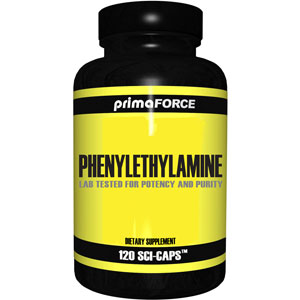
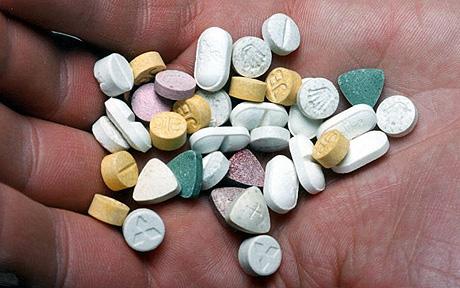
PEA is currently being studied and used for the treatment of ADHD, depression, bipolar disorder, cognitive dysfunction like brain fog and poor concentration. PEA instead only increase the amount of neurotransmitters that get released when a neuron is stimulated by receiving an impulse from a neighboring neuron. Dr. Shulgin developed, tested, and published the formulas for 179 different compounds largely based around the structure of PEA in his book PiHKAL. One of the more famous PEA derivatives is Methylenedioxymethamphetamine (MDMA or Ecstasy).
Would You Like To Learn More About Empathogens Like MDMA? Read Our Complete Guide To The ‘Love Drug’ For More
Our team includes licensed nutritionists and dietitians, certified health education specialists, as well as certified strength and conditioning specialists, personal trainers and corrective exercise specialists. Our team aims to be not only thorough with its research, but also objective and unbiased. With strict editorial sourcing guidelines, we only link to academic research institutions, reputable media sites and, when research is available, medically peer-reviewed studies. Note that the numbers in parentheses (1, 2, etc.) are clickable links to these studies. Three deaths have been linked to 2C-T-7, one death to 2C-T-21, two deaths to 2C-I-NBOMe, and one death to 2C-E 34–41. It should be noted that there are recent reports of poor clinical outcomes after exposure to unconfirmed 2Cs, including presumed 2C-I-NBOMe (25i).
Clinical Effects
Several naturally occurring alkaloids, i.e., morphine, (S)-reticuline or berberine, embedded in the 2-phenethylamine unit form more complex cyclic frameworks derived from its natural biosynthetic pathways (Figure 1). A concise review covering updated presence and role of 2-phenethylamines in medicinal chemistry is presented. Open-chain, flexible alicyclic amine derivatives of this motif are enumerated in key therapeutic targets, listing medicinal chemistry hits and appealing screening compounds. Latest reports in discovering new bioactive 2-phenethylamines by research groups are covered too. Street names for some phenethylamines include ‘Europa’ for 2C-E; ‘4-FMP’, ‘para-fluoroamphetamine’, ‘RDJ’ for 4-FA; and ‘4-MMA’, ‘Methyl-MA’ for PMMA. Phenethylamines are usually available in form of pills, but FLY compounds are commonly sold in powder form, while oral doses (on a slip of blotter paper) are usually available for ‘D substances’.
Understanding Amnesia Medication: How Amnesia Pills, Tablets, And Treatments May Support Memory Recovery
Their extensive list of harm reduction resources, emotional support services, and peer support hotlines offer a vast array of tools to help you move through a challenging experience and come out the other side feeling empowered and secure. PEA works well when stacked with L-Tyrosine (for dopamine), and CDP-Choline and ALCAR (for acetylcholine). It’s a possible substitute to stimulant meds like Ritalin or Adderall for some people. It’s particularly helpful if you take Phenylethylamine prior to a stressful situation, workout, or physically demanding job. Do not use Phenylethylamine (PEA) if you are using a prescription MAOI like Marplan, Nardil, Azilect or Parnate, or have used one in the last 14 days. The sustained antidepressant effect of Phenylethylamine (PEA) may be an alternative to SSRIs.
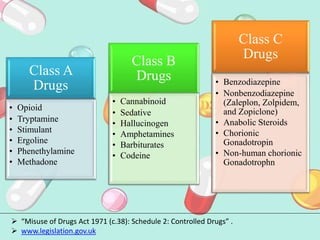
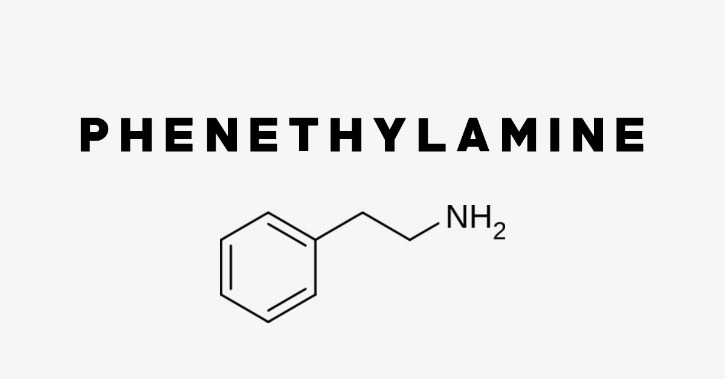
Under the ASCS Act (Analogue Statue of the Controlled Substance), it is practically illegal to traffic any compound chemically analogous to phenethylamines (5). PEA binds to C-protein-coupled receptors TAAR1 and TAAR2, receptors reserved specifically for trace amine use.iv These receptors are not used by other major neurotransmitters like dopamine or norepinephrine. Phenylethylamine (PEA, 2-phenylethylamine, beta phenylethylamine / β-phenylethylamine, phenethylamine) is a trace amino acid.
Alexander Shulgin, The “Father Of Phenethylamines”
It can also block those neurotransmitter reuptake pumps to increase the amount of neurotransmitter in the synapse. Phenethylamine can also directly stimulate the postsynaptic receptors to exert its effects. Phenethylamines (plural), or substituted phenethylamines as they are known, are made up of the same chemical structure as phenethylamine, but by making slight changes to the structure it is possible to create new drugs with significantly different effects. On the basis of studies we had conducted with amphetamine-related phenylisopropylamines, as well as with cathinone and methcathinone, we suspected that the synthetic cathinones would behave in a similar manner (i.e., acting primarily as releasing agents at DAT). However, MDPV was shown by several investigators to be a fairly selective DAT re-uptake inhibitor, with a potency of about 35 to 50 times that of cocaine (reviewed74).
Phenethylamines In Medicinal Chemistry: A Review
Most phenethylamines act as either central nervous system stimulants, or as hallucinogens. Stimulants mediate the actions of dopamine, norepinephrine and/or serotonin, mimicking the effects of traditional drugs such as cocaine, amphetamine, methamphetamine, and ecstasy. Classic hallucinogens (psychedelics) mediate specific serotonin-receptor activities and produce hallucinations. Substances in these group mimic the effects of traditional drugs such as 2C-B, LSD and DMT but may also possess residual stimulant activity.
Interactions With Other Supplements And Medications
Selective Serotonin Reuptake Inhibitors (SSRIs) and Monoamine Oxidase Inhibitors (MAOIs) can interact with serotonergic psychedelics. Combining them can lead to serotonin syndrome, a potentially life-threatening condition. 2C-E, like many psychedelics, can have both positive and negative effects. On the positive side, many users have reported transformative experiences, leading to personal growth, enhanced creativity, and a renewed sense of purpose.
Its potential therapeutic benefits, such as fostering a sense of unity, have also been explored, albeit in limited capacities. However, the depth and intensity of 2C-E also comes with potential challenges. The United States is experiencing a synthetic opioid epidemic that has claimed thousands of lives due to street drugs being adulterated with other drugs, such as fentanyl. Fentanyl is an incredibly powerful and deadly narcotic, with doses as low as two milligrams (a dose so small it could fit on the tip of a pencil) being potentially deadly. While it is never recommended to consume any illicit substances, it is critical that you or the people you know test any drugs you may ingest for fentanyl.
Our team comprises of trained MDs, PhDs, pharmacists, qualified scientists, and certified health and wellness specialists. And L.B.; writing—original draft preparation, C.T.N.; writing—review and editing, C.T.N., A.M., L.B., D.D. And N.M.G. All authors have read and agreed to the published version of the manuscript.
- This suggested that the 4-position oxygen atom is more important for PMMA-like action whereas the 3-position oxygen atom favors MDMA-like actions.
- USVs recording is a useful method to measure changes in emotional state caused by exposure to drugs such as cocaine or methamphetamine 49,50.
- We found that both a (+)amphetamine stimulus and an MDA stimulus generalized to MDMA.48 Clearly, MDMA, though neither a simple hallucinogen nor a simple central stimulant, seemed to possess some amphetamine-like qualities.
- Street names for some phenethylamines include ‘Europa’ for 2C-E; ‘4-FMP’, ‘para-fluoroamphetamine’, ‘RDJ’ for 4-FA; and ‘4-MMA’, ‘Methyl-MA’ for PMMA.
What Are Phenethylamines?
The changes in DA concentration of the dorsal striatum after the acute administration of saline or β-PEA were measured using a DA ELISA kit (#KA1887, Abnova, Taipei, Taiwan). According to the manual, standards, controls, and samples (protein lysates of the dorsal striatum) were subjected to extraction and acylation assays. The acylated standards, controls, and samples were pipetted into the appropriate wells of the DA microtiter strips and incubated with DA antiserum for 30 min at room temperature on a shaker. The conjugate was added to all wells and incubated for 15 min, and the wells were washed. After 3 washes for 10 min, the stop solution was added into the wells, and then the absorbance was measured at 450 nm in a GloMax microplate multimode reader (Promega, Madison, WI, USA). Β-PEA and a DAD1R antagonist, SCH23390, were purchased from Sigma-Aldrich (St. Louis, MO, USA).
- Most of the drug abuse-related studies from the author’s laboratory were supported by NIDA grants DA (receptor binding and drug discrimination studies involving hallucinogens, central stimulants, and cathinone/methcathinone analogs) and DA (new “synthetic cathinones”).
- It was the latter studies that opened new avenues of pursuit to us (e.g. 5-HT1A, 5-HT6, and other receptors).
- After catheter implantation surgery, rats were allowed to recover from surgery for 7 days prior to the self-administration test.
- Many other novel psychedelic phenethylamines and their ranges in effects have been described in Alexander and Ann Shulgin’s work PIHKAL.
- This protective barrier, which separates the brain’s blood vessels from the brain tissue itself, is notoriously selective about which substances it allows to pass through.
Shulgin provides anecdotal accounts of onset and duration of euphoric effects after oral ingestion of phenethylamines in PIHKAL, and other anecdotal accounts are available on websites such as Table 1 lists some 2Cs and dosages and durations of effect according to Shulgin. However, pharmacokinetics and pharmacodynamics may vary between users, and some users may be more susceptible to toxicity 18. Also, it is important to emphasize that drugs currently sold on the internet frequently do not contain the substance or dosage for which they are labeled or given when purchased 19. There is little information available about the pharmacology of hallucinogenic 2Cs. It has been shown that 2Cs have an affinity for 5-HT2 and alpha-adrenergic receptors, but these compounds can be either agonists or antagonists, which is dependent on the specific receptor subtype 12–14.
But unlike stimulant drugs like amphetamine, which release a flood of these neurotransmitters in an uncontrolled manner. Food training and catheter implantation surgery were performed as described previously 48. The timeline for self-administration procedures is illustrated in Figure 4A. In brief, rats were trained to lever press for 45 mg food pellets (BioServ, Frenchtown, NJ, USA) under a continuous FR1 schedule of reinforcement during 1 h sessions. The distal end of the catheter was threaded subcutaneously and connected to a 22-gauge stainless steel cannula (P1 Technologies, Roanoke, VA, USA), fixed to the head assembly with dental cement and secured with Prolene surgical mesh (Ethicon Inc. Somerville, NJ, USA).