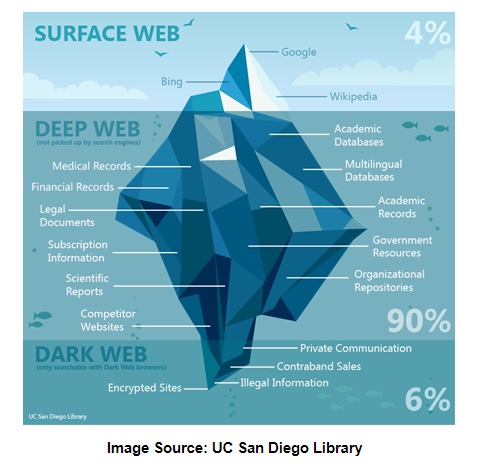
Personal credit card data can be exploited for various illegal activities, including making fraudulent purchases or even creating counterfeit cards. The Dark Web is a hidden part of the internet that can only be accessed through specialized software. It operates beyond the reach of normal search engines and is known for its anonymity.
Finding Marketplaces
Unlike traditional magnetic strips, EMV chips generate unique transaction codes for every purchase, making card duplication exceedingly difficult. While this doesn’t eliminate all types of card fraud (such as online transactions), it significantly hampers criminals’ ability to use physically cloned cards in brick-and-mortar stores. Artificial intelligence (AI) has become indispensable in the fight against carding. Since then, BidenCash has continued to operate using the “dumping” method.
Secure Your Personal Information
Although there’s a variety of goods to be purchased on the dark web, one of the most sold resources by volume on the dark web, if not the most sold commodity, is stolen credit cards. Just last week, the largest carding site operator announced they would be retiring, after allegedly selling 358$ millions worth of stolen cards. The dark web is a hidden part of the internet that is not indexed by search engines and is only accessible through special software like the Tor browser. It is known for its illicit activities, including the sale of stolen credit cards.
- Public awareness campaigns emphasizing digital literacy, secure online behaviors, and recognizing emerging threats will play a crucial role in reducing vulnerability.
- She combines her background in digital marketing from DePaul University with a passion for cybersecurity to create content that helps people and businesses stay secure.
- This statistic may sound lukewarm now, but e-commerce is rapidly becoming the lion’s share of global transactions.
- BidenCash shop was established in April 2022, following the seizure of other card shops and carding platforms by the Russian authorities.
Warning For Would-Be Fraudsters
Stolen credit card details are often sold on platforms and websites dedicated to, and branded as, carding websites. There’s an underground ecosystem where sensitive data is bought, sold, and traded—not just on the dark web, as you might expect, but also on publicly accessible websites, channels, and forums. Among these are platforms dedicated to carding—a cyber crime niche centered on the large-scale use and abuse of stolen credit card information. One of the most notable dark-web marketplace shutdowns involved Joker’s Stash, previously the largest marketplace for stolen credit cards.
BidenCash Darkweb Market Gives 19 Million Credit Cards For Free
These stats highlight the scale of credit card fraud on dark web markets. Some criminals organize stolen card data by ZIP code, according to Novak, “because it makes it harder to conduct fraud detection,” he says. This is because criminals can purchase cards to use in their own geographical locations to limit the chances that their transactions will be flagged. Cybercriminals tend to rely on cryptocurrencies for their online transactions—for example, when purchasing stolen card data. As much as 95 percent of dark web transactions are conducted via cryptocurrencies—primarily Bitcoin—which allow criminals to transfer money without revealing their identities, according to Wilson.
As one of the prominent platforms supporting such activities, card shops make carrying out such scams relatively easy and popular. Strong passwords and Multi-Factor Authentication (MFA) help keep your online accounts secure from compromise. MFA is a security measure that adds additional authentication to your online accounts by requiring you to provide one or more forms of verification.
Stop email threats others miss and secure your organization against the #1 ransomware attack vector. Consider legitimate financial institutions, credit unions, or peer-to-peer lending platforms instead. It is advisable to disconnect from the internet immediately and avoid sharing personal information. Buyers can typically find card numbers, expiration dates, CVVs, and sometimes personal identification information. Judging from the activity on the shop, BidenCash appears to be thriving in 2023, providing an active data and money exchange platform in a market that has experienced a decline in recent years. The most expensive card details, which cost about $20, were in Hong Kong and the Philippines and the cheapest, some at just $1, originated in Mexico, the US and Australia.
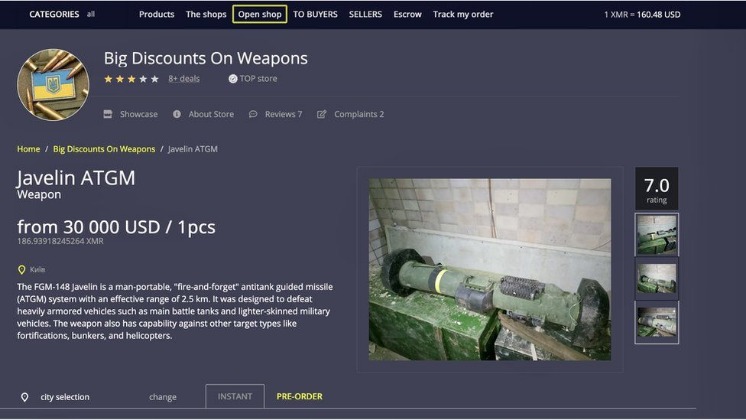
Dark web commerce sites have the same features as any e-retail operation, including ratings/reviews, shopping carts and forums, but there are important differences. Because you can browse the dark web anonymously through a path of encrypted servers, it has become a hub for illegal activity, including stolen data. This stolen data, which may include passwords and sensitive account information, can be used for all sorts of nefarious purposes. This month, U.S. authorities shut down a popular Russian platform, Try2Check, used to confirm the legitimacy of stolen credit card information. It’s key to know the risks of credit card theft and the underground market. By understanding these risks, we can protect ourselves and our financial info.
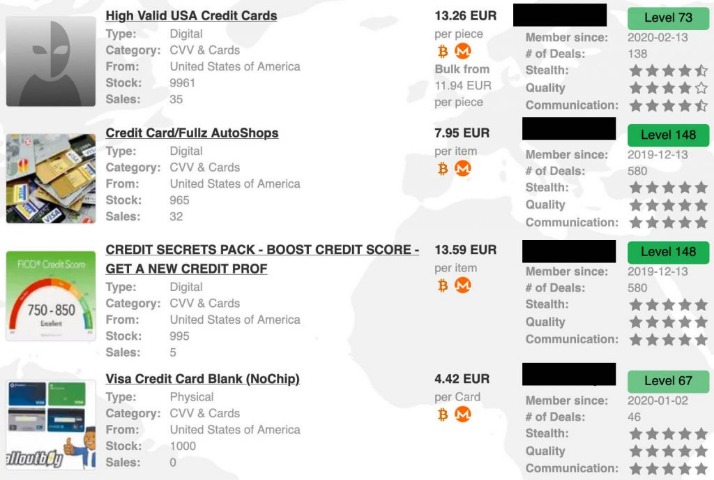
The dark web is often called the “underbelly of the internet.” It is an anonymous network of websites that can only be accessed through specific software. While it has several legitimate uses, it is also known as the marketplace for illicit activities. Credit cards, Paypal accounts, and fullz are the most popular types of stolen information traded on the dark web, but they’re far from the only data worth stealing. Sales of passports, driver’s licenses, frequent flyer miles, streaming accounts, dating profiles, social media accounts, bank accounts, and debit cards are also common, but not nearly as popular. Credit card details used for online fraud are cheaper and can be sent in a text message. Physical cards are usually cloned from details stolen online, but can be used to withdraw from ATMs.
Additionally, be cautious when sharing personal details online, especially on social media platforms where hackers may gather information for phishing attacks. Avoid clicking on suspicious links or downloading attachments from unknown sources, as these can lead to malware infecting your devices and compromising your data. By taking these simple but effective precautions, you can significantly reduce the risk of your personal information falling into the wrong hands.
Carding sites also serve a critical function in the cybercriminal ecosystem, providing a sales channel for data from breaches, malware that collects sensitive information, and other sniffer devices. Once obtained, these stolen credit cards are quickly sold on the dark web, where they can be used for fraudulent transactions or identity theft. Protecting your credit card information is crucial to avoid financial loss and potential legal troubles. By regularly monitoring your credit, using secure payment methods, and being cautious online, you can minimize the risk of your credit card falling into the wrong hands.
Impel Global: Transforming Financial Messaging And Payments Through Blockchain Precision
“Don’t build any conspiracy theories about us leaving,” the anonymous operators of UniCC said in a farewell posted on dark web carding forums, according to blockchain analytics firm Elliptic. “It is a weighted decision, we are not young and our health does not allow us to work like this any longer.” Freshtools was established in 2019 and offers various stolen credentials, accounts, and host protocols like RDP.
Multi-Factor Authentication (MFA) And 3D Secure
Here’s a breakdown of what your personal details might go for on underground marketplaces, according to the Dark Web Price Index by Privacy Affairs. Prices can vary based on demand, how complete the data is and how easily it can be monetized by criminals. Credit freeze, security freeze, and credit lock are often used interchangeably — however, there are key differences between them you should know. – Remain cautious of vendors with no or limited feedback, as it becomes more challenging to assess their credibility and reliability. – Take note of any patterns or recurring issues mentioned in the feedback, such as inconsistency in card quality or lack of response from the vendor.
Buying stolen credit cards on the dark web may seem like a daunting task, but with the right knowledge and precautions, it can be done safely and efficiently. Money laundering schemes use stolen cards to buy gift cards or high-value items. Be careful with international transactions and watch your accounts for any odd activity. Exploring credit card fraud, we’ll see how hackers misuse stolen cards.
Rethinking Vulnerability Management In A Heightened Threat Landscape
Delving into the dark web with the intention of buying stolen credit cards is dangerous and illegal. It is crucial to understand the consequences, prioritize personal safety, and steer clear of engagement in any illegal activities. It is important to note that using stolen credit cards is illegal and can result in severe consequences, including fines and imprisonment. If you choose to use a stolen credit card, do so at your own risk and be aware of the potential legal repercussions. Next, you’ll need to find a marketplace that sells stolen credit cards. There are many such marketplaces on the dark web, but not all of them are trustworthy.
GB Of Data From Navy Federal Credit Union Exposed
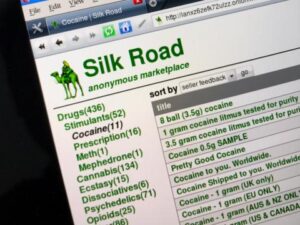
There are several marketplaces on the dark web where you can buy stolen credit cards. Some of the most popular ones include Joker’s Stash, Silk Road, and AlphaBay. These marketplaces can be found by using a search engine on the dark web, such as Ahmia or Torch. Hackers use stolen credit cards for online shopping and buying high-value items. They also sign up for subscription services and make recurring payments.
Instead of storing actual card numbers, each card should be converted into a unique token. We’re not just looking for individual red flags, we’re building comprehensive risk profiles based on dozens of different indicators. Financial institutions and security teams have developed pretty sophisticated detection methods that focus on behavioral patterns. Businesses pass fraud-related costs on to consumers through higher prices. Automatic payments get declined, travel plans get disrupted, and sorting everything out with the bank can take hours. Rather than individual hackers working alone, the reality is that we’re dealing with sophisticated criminal enterprises that function like businesses, complete with customer service and quality guarantees.