However, the deep web requires authorization and the dark web requires specific sets of tools and software for decryption. Most of that is legal, like your financial information in banks, social media accounts, email archives, cloud storage, academic journals, streaming libraries, etc. Intranets, or internal networks used by companies and academic institutions, cannot be accessed by the public. They require access to a specific VPN service and credentials before they can be viewed. Organizations use intranets for internal communication and documentation and for hosting internal online tools. Apart from this, Tor allows users to access URLs ending with .onion through its ‘hidden services’ functionality.
Through Tor, users can access a number of dark web websites, including mirrored versions of surface web sites such as Facebook and The New York Times. For those who really want to explore the dark web, several pages called the Hidden Wiki serve as a directory of links to other .onion sites. The Dark Web is a complex and often misunderstood part of the internet. While it can provide anonymity and privacy for those who need it, it also comes with significant risks. It’s important to approach the Dark Web with caution, use proper security measures, and always be aware of the legal and ethical implications of your actions. Ultimately, the Dark Web is not inherently bad, but it is a place where users must be careful about what they engage with and how they protect their identity.
A Comparative Analysis: Hidden Web VS Obscure Web
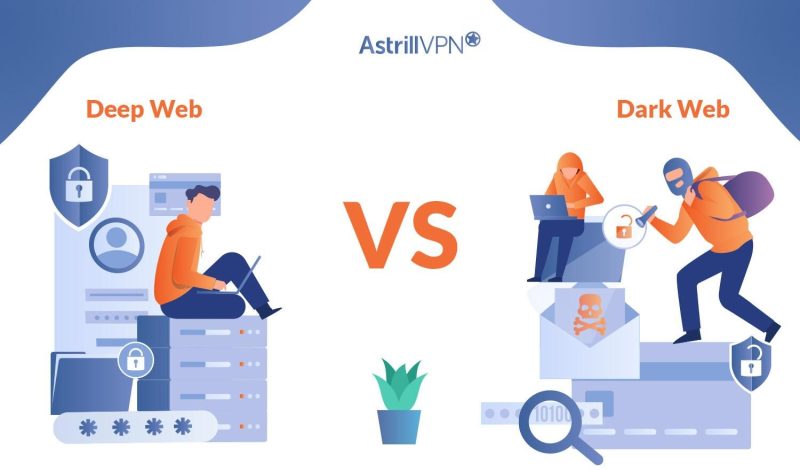
The deep web refers to all that is accessible on the internet that is not indexed with those typical search engines. This would include a very broad range of content such as private databases, academic resources, and password-protected sites. Unlike the surface web, which is easily accessible and often serves legitimate purposes, the deep web holds valuable information that typically requires specific access credentials or subscriptions. Dark Web is a part of the Deep Web which is only accessible by means of special software, configurations or access authorization. The content of the Dark Web is only available on personal encrypted networks or peer-to-peer configurations, and it is not indexed by your regular search engines. Unlike the Surface Web, the Dark Web exists on the Dark Net, or rather multiple darknets.
The Shadow Web – Hidden Fortress
However, many web pages are not easily accessible, especially if you want to access the dark web. For accessing blocked connections of the deep and dark web, you will need encryption software or VPNs. The dark web is home to the internet’s hidden sites, services, and products — some innocent, others downright dangerous. Read on to learn the pros and cons of the dark web, how to access it, and get tips for staying safe.
Get Threat Assessment Report
The dark web, on the other hand, makes up a tiny fraction of the internet as a whole. To access it at all, you need to use an anonymizing web browser such as “The Onion Router” (Tor) and a virtual private network (VPN). Later, we’ll delve deeper into how to access the dark web, but for now, you should just be aware that if you find yourself on a webpage and have no idea how you got there, it isn’t part of the dark web. The Dark Web is a segment of the Deep Web, which typically hosts illegal affairs, but not everything on it is illegal.
Distinguishing The Quiet Chatter: Hidden Web And Obscure Web
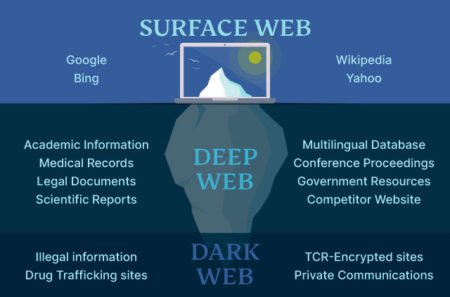
The answer, of course, is by using dark web browsers like the open-source platform Tor. If you’ve done any amount of reading about the dark web, you’ve probably seen that iceberg illustration about the World Wide Web. The tip of the iceberg floating above the surface is the portion of the internet we can access through normal means — i.e. browsers and search engines. Of course, hackers and criminals aren’t the only people who need secrecy. Dissidents, free speech activists, whistleblowers helping investigative journalists, and many more people use the dark web to evade persecution and communicate anonymously online. Secure and affordable tools exist for that purpose, but some prefer a more radical approach.
- For example, hospitals hide medical records to protect user privacy, while financial institutions use password protection to prevent unauthorized access.
- The concept of the internet as a network that can host many different types of network applications is important to grasp if you want to understand the difference between deep, dark, and surface webs.
- Fondly called the Unseen Web, the Elusive Web is a section within the cybernetic realm that conventional search platforms, such as Google, Bing, and Yahoo do not scan or index.
- You might find yourself conflating the two terms, with the assumption that both the dark web and the deep web are the same place for illegal and generally shady activities.
- The ‘members only’ parts of public platforms are also a part of the deep web.
Web Hosting Company Increases Security Team Bandwidth With Up To 80% Decrease In Threat Research Times
Do you want to know the difference between the deep web and the dark web? While these two terms are often used interchangeably, the deep web and dark web are not the same. The dark web is a part of the deep web, but not everything on the deep web is part of the dark web. This wikiHow article teaches you the differences between the deep web, dark web, and surface web, as well as how to access each. On the other hand, the deep web is that hidden part of the internet, which is personal and open to its respective owners.
What Is The Difference Between The Deep Web And Dark Web?

Then, install Norton 360 Deluxe to get AI-powered scam detection to help secure your browsing against online threats. The deep web refers to hidden web pages that are not indexed by search engines. This lack of indexing is intentional on the part of many service providers, as it helps to protect private information. The Deep Web houses web pages that are designed for restricted use and are protected by registration portals, paywalls, etc.
If you’re wondering “how does one’s personal information get on the Dark Web? Darknets and Dark Web sites are encrypted, peer-to-peer networks that are only accessible via certain tools. Most Dark Web users use the TOR browser, which is designed to make the Dark Web easier to navigate. The TOR browser provides improved privacy and anonymity on the public Internet and makes it possible to access .onion sites on the Dark Web.
The deep web comprises non-indexed sites that are not accessible via standard search engines. Singularity XDR can help monitor and protect your network from hidden threats on the deep web. The dark web is also legal to access, but it comes with serious risks. While there are legitimate uses, much of the content hosted there involves illegal activity, including drug trafficking, illicit imagery, and the sale of stolen data. Browsing without caution can expose you to this content, and even unintentionally engaging with it may result in legal consequences.
As mentioned above, some common use cases for the deep web include accessing paid subscriptions and online accounts. However, since the dark web has to be accessed intentionally using the Tor browser and a VPN, most people won’t access the dark web in their day-to-day lives. Cyble is a global threat intelligence SaaS provider that helps enterprises protect themselves from cybercrimes and exposure in the darkweb. Cyble’s prime focus is to provide organizations with real-time visibility into their digital risk footprint.
While the most common use-cases for the dark web might be against the law, anyone with a reason to be anonymous can utilize the networks. Common examples of “good” on the dark web are whistleblowers who need a place to leak their information without having the governments and organizations responsible for that data knowing who they are. While those sites take all the attention, the dark web isn’t actually defined by the contents of its sites (even if most of us define it as such).