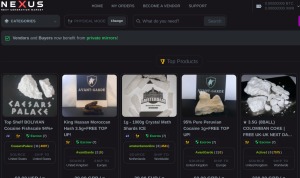
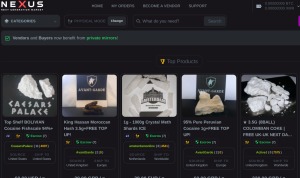
Nexus and Abacus dominate the darknet market scene in 2025, offering streamlined drug shopping with enhanced security and convenience. Nexus stands out for its multi-signature escrow system, reducing fraud risks by holding funds until buyers confirm delivery. Its user-friendly interface simplifies navigation, while vendor ratings ensure transparency. Abacus excels in privacy-focused features, integrating Monero for transactions and requiring minimal personal data. Both platforms use Tor-encrypted links, accessible via updated darknet market lists, ensuring reliable access. A marketplace facilitator is a company or legal entity that runs a website or service that allows customers to purchase items or services from various sellers.
Includable Sales
There are so many important details that businesses must be aware of to stay compliant and avoid penalties. TaxJar can make compliance easier by managing all the different aspects, including keeping you updated on where you have nexus, registering for sales tax permits, and automating sales tax filing and remittance. Many states are working to simplify their economic nexus thresholds for remote sellers. For example, as of January 1st, 2025, Alaska removed its 200 transaction threshold to reduce compliance stress for smaller merchants.
For e-commerce businesses and remote sellers, tracking economic nexus can be challenging. With each state setting its own requirements, it’s often hard to know where you’re about to establish nexus, and even harder to factor that into your financial planning. If you sell a product or service — online, from a brick-and-mortar store, or some combination of both — sales tax compliance has far-reaching consequences for your business.
Economic Nexus 2025
It is subject to change as tax officials work through and refine the policies. You should always consult directly with a trusted tax advisor or the taxing jurisdiction before deciding how to deal with sales and use tax compliance in a given state. For more information or assistance in determining your sales tax registration, collection, and remittance requirements, contact Avalara Professional Services. If you’re just starting to get a handle on marketplace nexus requirements for yourself or even a client, take it slow.
By fostering a community that values respect and integrity, Nexus Market sets a high standard for online conduct. This guide is exclusively for educational and informational purposes. The information aims to help you enhance your understanding of darknet operations. Always abide by the relevant laws and regulations in your jurisdiction.
Remote Seller Nexus Chart

TorZon is a well-known name in the darknet landscape, recognized for its streamlined marketplace experience and long-standing presence in the community. Since its emergence, TorZon has focused on providing a secure and anonymous environment for users seeking privacy and stability. With a clean interface, reliable uptime, and active vendor support, it continues to stand out as a trusted hub for darknet commerce. Marketplace facilitators are businesses or people who own, operate, or otherwise control a “marketplace” and facilitate a retail transaction.
Its commitment to privacy and reliability makes it a trusted choice in the darknet ecosystem. With the spotlight on economic nexus following the Wayfair decision, a lot of businesses have put blinders on to other nexus-creating activities they perform. You can’t let physical nexus-creating activities fall to the wayside and purely focus on economic thresholds. Most states apply nexus laws from the date you exceed the threshold. TaxJar offers one platform to manage every aspect of sales tax compliance from calculations to reporting to filing. Try our sales tax compliance platform for 30 days, completely free with no obligation.
What Is And Is Not A Marketplace Facilitator?
Since the landmark South Dakota v. Wayfair decision six years ago, economic nexus laws have been adopted in most jurisdictions—primarily at the state level and, in some cases, locally. Understand all local laws regarding marketplace facilitators and always maintain accurate records of all transactions processed through that particular marketplace. TaxCloud simplifies sales tax compliance for businesses in all 50 states. All states where sales tax laws have been enacted also have physical nexus rules. These markets leverage Bitcoin and Monero for fast, untraceable payments, with escrow systems balancing trust between buyers and sellers.
Additionally, Nexus Next Generation Market mirrors can be utilized to get around potential blocks and to guarantee uninterrupted access to the platform. Modern lists also include vendor scorecards, linking directly to market profiles. This eliminates guesswork, as buyers can verify a vendor’s history before entering the market. The combination of updated links and transparent metrics streamlines the entire purchasing process. Escrow systems ensure secure transactions by holding payments until delivery confirmation. This minimizes fraud risks, as funds release only after buyers verify product quality.
Sales Tax By State: Economic Nexus Laws
Rest assured, all of the new requirements are enough to make your head spin. Florida, Kansas, and Missouri are the only states yet to enact legislation for marketplace facilitators. Louisiana and Mississippi passed legislation just days before the July 1, 2020 effective date.

Industrialized Construction: Technology Based Economic Development
On June 21, 2018, the Supreme Court of the United States authorized states to tax remote sales based on the seller’s economic activity in the state, or economic nexus. More than 40 states, and counting, now have economic nexus laws on the books. However, they must still notify customers of their obligation to remit use tax.

Taxable Transactions And Exempt Sales
States are free to pursue sales tax from online retailers who exceed the thresholds as stated in their economic nexus laws. Hopefully, this state by state guide has helped you understand how economic nexus sales tax works. You should read more about exempt sales taxes, taxable transactions, statewide sales tax laws, sales tax commission, and other taxes on goods and services to better understand the financial impact of your economic presence. What irks most businesses is the level of variations in how states calculate sales tax nexus thresholds. For example, some states also include marketplace sales, while others stick to physical and economic sales. The table below lists each state’s criteria for when an online marketplace becomes a “marketplace facilitator” and when that marketplace is required to collect sales tax on behalf of 3rd party sellers who use the platform.
If you’re a seller, then you should make sure that your facilitator is registered to collect and remit taxes in the state where you’re operating. On the other hand, marketplace sales are also included when calculating your overall economic nexus. Let’s give you a brief overview of state-specific economic nexus thresholds. Similarly, the very definition of “taxable sales” can vary from state to state; some states count gross sales, but others don’t.
- You should switch to automation tools like TaxCloud to monitor nexus laws across different states.
- In previous roles, Charles served as the Managing Editor at Carbon Health and worked as a Content Manager at Adobe.
- Some marketplace facilitators may also need to collect County Innkeepers Tax (CIT) and Food and Beverage (FAB) taxes.
- It works when your business has a physical location, employees, inventory, or trade shows in a certain state.
- Whether you’re looking for the Nexus Next Generation Market URL, its onion address, or a Nexus Next Generation Market mirror, this guide will provide the details you need to get started.
Manually tracking your sales activity, calculating sales tax, and performing other essential compliance tasks can be risky. If you’re not careful, a single employee error could cost your business tens of thousands of dollars. However, the definition of nexus has expanded to include economic connections as well.
If you make sales for resale or sell to exempt organizations, you MUST get the appropriate exemption certificates. If you don’t have the exemption certificates, then the sales are considered taxable. The economic nexus thresholds are not relevant in states where you have physical presence.
Economic nexus laws continue to change, making compliance more challenging for businesses. Staying informed and proactive can help you avoid penalties and unnecessary headaches. Understanding, tracking, and proactively managing economic nexus is essential for businesses. States are deeply invested in enforcing these laws, and violations can result in steep penalties, reputational damage, and even legal action. No, you generally only need to register for a sales tax permit once you’ve established nexus.
Kentucky Tax Nexus

All of these five key considerations are laid out for each state on our Economic Nexus State Guide. This chart also includes links to in-depth information about each state’s economic nexus rules. The final question is how quickly a seller must register after meeting a threshold.
This “nexus” outlines the connection between your business entity and the state. It describes your company’s obligation to collect and remit sales taxes on the sales made within the state. So, you should be aware of your nexus (physical/economic) and how it affects you. Decentralized networks have become the backbone of modern darknet markets, offering unparalleled anonymity for buyers and sellers.