Some states prohibit the sale of products intended for weight loss or muscle building to individuals under age 18. Phent37 is manufactured in the USA under rigorous quality standards, ensuring each bottle delivers a reliable and effective product. With 60 tablets per bottle, you receive a full month of advanced support tailored to your dietary and lifestyle goals.
Factors That May Increase Phenethylamine Levels
DO NOT make the mistake of buying Phenylalanine instead of Phenylethylamine (PEA). Do not use Phenylethylamine (PEA) if you are using a prescription MAOI like Marplan, Nardil, Azilect or Parnate, or have used one in the last 14 days. Dosing more than recommended is NOT a good idea because you’ll likely feel jittery, irritable, get a headache, feel nausea, and very possibly force your heart rate to dangerous levels. So if you are ADHD and crave chocolate, it’s likely because cocao supplies PEA. The sustained antidepressant effect of Phenylethylamine (PEA) may be an alternative to SSRIs. As a pre-workout supplement, PEA provides a more intense and focused workout.
Product Description
It is advisable to start with a low dosage and gradually increase it until you achieve the desired results. It is also important to check the other ingredients to ensure they are safe and effective. Avoid products that contain fillers, artificial colors, and preservatives. While the product may arrive warm during summer months due to shipping, we haven’t noticed any negative effects on the supplement’s efficacy. The only minor downside is that some settling of powder may occur in the capsule, but this is to be expected with a weight-filled product. Despite its downsides, we still recommend FitPowders Beta Phenylethylamine HCl (Pea) for those who are looking for a high-quality and effective phenylethylamine supplement.
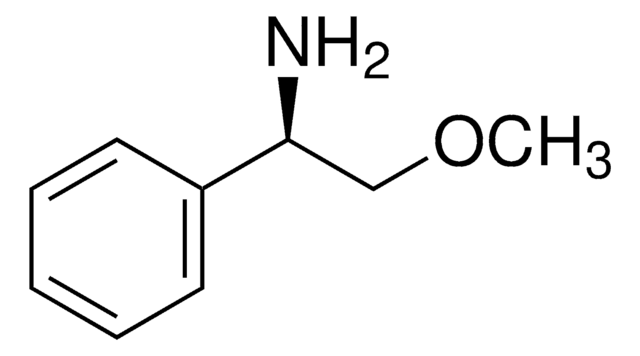
This simple yet effective structure allows PEA to influence neurological processes by acting as a neuromodulator and neurotransmitter. Due to its chemical properties, PEA easily crosses the blood-brain barrier, enabling it to exert direct effects on central nervous system activity. PEA’s presence is found in certain foods like chocolate, where it contributes to the mild mood-boosting effects people experience.

3 Chemical Synthesis Of PEA
Because animal proteins all contain the nine essential amino acids, that means dairy and eggs provide phenylalanine as well, according to Piedmont. So milk, yogurt, kefir, skyr, hard cheeses, soft cheeses, curd-based cheeses (like cottage cheese and ricotta), ice cream, and any other product containing dairy protein will offer phenylalanine. The appropriate dose of phenethylamine depends on several factors such as the user’s age, health, and several other conditions. At this time there is not enough scientific information to determine an appropriate range of doses for phenethylamine.
Natural Sources Of Phenylethylamine In Everyday Foods
This allows elucidation of the functional analysis of adenosine receptor A2A through competitive binding assays against 3H-NECA (N-ethyladenosine-5′-uronamide) 23. Mice were anesthetized under avertin (200 mg/kg, i.p.) at 10 min after administration of saline or β-PEA (50 mg/kg, i.p.) based on the results of locomotor and USVs, and brains were rapidly removed. The brain was serially cut using a stainless-steel coronal brain matrix (Roboz Surgical Instrument Co., Inc., Gaithersburg, MD, USA) on ice, and the dorsal striatum was collected bilaterally.
- Opioid receptors are a class of GPCR proteins consisting of three receptor types, mainly µ-, δ-, and κ- types, with a variety of functional roles in the nervous system, such as pain signaling, growth, respiration, and immunological response 223,224.
- Of course, food in general can trigger migraine (Finocchi & Sivori, 2012).
- Phenethylamine can interact with several other substances, both supplements and medications.
- Studies have shown that PEA can enhance focus, alertness, and mental energy.
- As we look to the future, it’s crucial to encourage further research into PEA and its effects on brain function.
- Fourth, we determined whether β-PEA produces a reinforcing effect using a rat self-administration paradigm.
Alertness And Focus
These statements have not been evaluated by the Food and Drug Administration. This product is not intended to diagnose, treat, cure, or prevent any disease. These statements have not been evaluated by the FDA and are not intended to diagnose, treat, cure, or prevent any disease or health condition. Dr. Shulgin developed, tested, and published the formulas for 179 different compounds largely based around the structure of PEA in his book PiHKAL. Explore neatly organized reports on a timeline, highlighting crucial details like dates, critical results, and lab/panel names. Each report opens up to reveal in-depth descriptions and additional recommendations for each biomarker.
Phenethylamines
Despite its availability in food, dietary PEA is rapidly broken down in the body. For enhanced benefits, supplementation or formulations combining substances like NAD nasal spray and mushroom cocoa loaded with Lion’s Mane and Cordyceps mushrooms might be considered. In daily life, balancing natural sources with these boosters can work synergistically, amplifying PEA’s effects for mood and energy support. PEA also intersects with medicinal mushrooms like Lion’s Mane, Cordyceps, and Reishi mushroom blends, which are known for their adaptogenic properties.
It is synthesized in the body from the amino acid phenylalanine and is found in small amounts in foods such as chocolate, eggs, and some cheeses. This article provides an in-depth analysis of phenethylamine, covering its chemistry, physiological mechanisms, nootropic benefits, dosing guidelines, potential side effects, drug interactions, and important considerations for its safe use as a supplement. In studying the SAR of MDMA as a discriminative stimulus, we found that the MDMA-stimulus generalized to PMMA (45), a drug of abuse that has been sold on the clandestine market as representing MDMA (although our studies pre-dated those reports). PMMA might be viewed as the simple 4-methoxy analog of methamphetamine (52; see later) or, alternatively, as the N-methyl analog of 4-methoxyamphetamine (PMA; 44).
For this reason, the present review covers only structures where there is an alicyclic amine (Figure 2, blue examples), clustering them all under the 2-phenethylamine label. This review also covers those 2-phenethylamines where the phenyl ring is condensed with a heteroaryl ring, as the primary motif ring is a phenyl one. The dorsal striatum is a forebrain structure of the basal ganglia circuit that receives dopaminergic projections from the substantia nigra or ventral tegmental area 25. As mentioned above, the activation of these dopaminergic pathways plays a crucial role in addictive drug-mediated motivation and reward behavior through DA-receptor-mediated neurotransmission 26,27. In particular, DAD1R-mediated signaling is important in addictive-like behaviors 28,29. Some foods that contain microorganisms can release high levels of amines, including the trace amines PEA, tyramine,and tryptamine, the biogenic amine histamine, and the polyamines putrescine and cadaverine (Shalaby, 1996).
Opioid receptors are a class of GPCR proteins consisting of three receptor types, mainly µ-, δ-, and κ- types, with a variety of functional roles in the nervous system, such as pain signaling, growth, respiration, and immunological response 223,224. Relevant side effects are well known, such as constipation or drug dependence/abuse. Another class of GPCR targeted by 2-phenethylamines are constituted by α-adrenergic receptors (or α-adrenoceptors). There are two main groups of α-adrenergic receptors, α1 and α2, with several subtypes within (α1A, α1B, α1D, α2A, α2B, α2C).
The solubilized protein samples were stored in a deep freezer before use. Earlier this year, Narciso M. Garrido and colleagues at the University of Salamanca (Spain) published a review of 2-phenylethylamines in medicinal chemistry. Their article focused on open-chain, flexible derivatives such as the catecholamines dopamine, epinephrine (adrenaline), and norepinephrine, compared with constrained polycyclics such as morphine and berberine. While there is a decent body of knowledge about how this compound works and what its potential interactions within the body are, evidence of its supplemental benefits is not as thoroughly understood. Recent literature focuses on the biological synthesis of PEA, rather than the chemical one.
Love Potion No 9: How Our Brain Brews PEA
You can also call it 4-hydroxyphenethylamine, but its IUPAC name of 4-(2-aminoethyl)phenol, though logical, is perhaps not so intuitive. Strictly, it should be called 2-phenylethylamine, or β-phenylethylamine, to distinguish it from its isomer, 1-phenylethylamine, or α-phenylethylamine; this has a chiral carbon atom and thus exists as optical isomers, unlike 2-phenylethylamine. Because the -NH2 group isn’t bonded directly to the benzene ring (as it is in phenylamine), the diazonium ion formed from phenylethylamine is not stabilised by interaction with the aromatic π-system. The potential therapeutic applications of PEA are still being explored, but they’re certainly intriguing.
Just prior to the discovery of multiple subtypes of brain 5-HT receptors (see below), it was found that 3Htryptamine labeled a population of rat brain receptors distinct from any 5-HT receptor types then known (see Grandy3 for a review). This provided one of the first opportunities for us to examine the binding of centrally-acting arylalkylamines at brain receptors rather than at peripheral fundus 5-HT receptors. We,7 and others,3 showed that certain phenylalkylamines, including PEA (1), amphetamine, and 4-chloroamphetamine displayed low μM affinity for 3Htryptamine-labeled sites in rat brain frontal cortex homogenates. Key mechanisms of PEA include its ability to heighten the release of norepinephrine and its influence on brain-derived neurotrophic factor (BDNF). This supports neurogenesis, the process of creating new neurons, which directly contributes to memory consolidation.
The dopamine transporter receptor modulates the availability of released dopamine in the synaptic space by relocating it back into the presynaptic cell. It serves as a main target for recreational drugs as well as psychostimulant and antidepressant drugs. Classically, DAT ligands are classified in amphetamine-type and cocaine-type structures 164.
- Chemically, phenethylamine is a derivative of the amino acid phenylalanine.
- A phenylethylamine HCL supplement stimulates chemicals in the brain that produce extra energy and focus.
- However, we did not feel the effects of the supplement as much as we expected, and individual results may vary.
- Mushroom cocoa blends, especially those incorporating lion’s mane and cordyceps, pair well with PEA to fortify both mood and focus.
- Panel A shows the normal action of release and re-uptake of the biogenic amines dopamine and serotonin.
If all this talk about PEA has you wondering how to get more of it in your life, you’re in luck! It consists of a benzene ring (a hexagonal arrangement of carbon atoms) attached to an ethylamine group. This structure might sound like gibberish to non-chemists, but think of it as a tiny molecular key that fits perfectly into certain locks in our brain.
Coupled with potent herbs such as cordyceps mushrooms known for their energy support, PEA’s actions can also be enhanced in complex blends. These formulations align with the growing demand for multi-layered nootropic approaches that holistically promote cognitive resilience and emotional well-being while simultaneously offering neurological protection. This interplay underscores the importance of PEA’s potential in modern-day cognitive enhancement protocols.