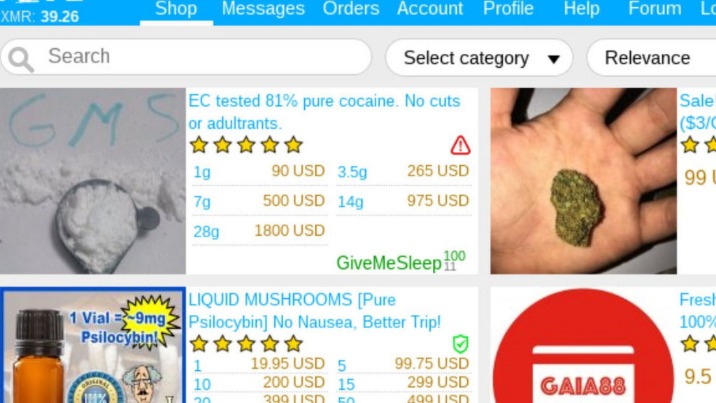
This increases the accessibility and sophistication of cyber threats, with far-reaching consequences for businesses. To secure against these risks, organizations invest in robust cybersecurity strategies, conduct regular security assessments, and educate employees to recognize and mitigate threats. In some cases, law enforcement creates “stand-in” marketplaces, which look and operate like any other dark web platform.

Illicit Drug Trafficking
- The shop accepts payment through Bitcoin and Monero, while some vendors accept the coins.
- The ease of encryption-based communication and anonymous digital payments helps keep transactions hidden from regulators and financial institutions, perpetuating the cycle of fraud and data theft.
- The darknet is a dynamic environment, continually adapting to law enforcement pressure and evolving user demands.
- These digital assets facilitate underground economies involving drug trafficking, weapons sales, and cybercriminal services.
- Finally, an “exit scam” can occur when marketplace operators abruptly shut down the site, absconding with user funds held in escrow, leaving buyers and vendors at a loss.
The money launderers conducted chain-hopping from Bitcoin to other blockchains, including swaps to anonymity-enhanced cryptocurrencies like Monero, before the funds were deposited into traditional financial accounts. During this initial stage of money laundering, criminals can use the profits obtained through illegal activity to purchase cryptocurrencies. In cases where the initial funds are received in cryptocurrency, for example from theft, extortion or illicit commerce, placement involves obscuring their origins and converting them into more widely-accepted or less traceable forms. Frosties NFT was another NFT project that promised exclusive digital art and collectibles. However, shortly after the project’s launch the two 20-year-old creators shut down its website and Discord servers, removed the liquidity from the trading pool and disappeared with USD 1.1 million of investors’ funds.
On average, the marketplace consists of more than 11,000 items and 1000 vendors. If any user is found not complying with the law, strict and immediate action will be taken against them. It uses PGP encryption to protect sensitive data and messages, and accepts payments via Monera and Bitcoin to keep you anonymous on this marketplace. Bohemia is a modern dark web marketplace with a great user interface that is easy to use and navigate.
Experience The World’s Most Advanced Cybersecurity Platform
Investment fraud centers on the solicitation of funds for fraudulent investments or projects. In the cryptocurrency space, these often involve fake initial coin offerings (ICOs), unregistered securities or fraudulent investment platforms. Investment fraud involving cryptocurrency rose by nearly 200% from USD 907 million in 2021 to USD 2.57 billion in 2022, according to the FBI’s annual Internet Crime Report. Most major BPHS entities require manual setup, including, for example, a mass-scan of a network.
Regulatory bodies leverage blockchain analytics to combat money laundering and fraud, strengthening global enforcement efforts. The rise of Ransomware-as-a-Service (RaaS) has further escalated cyber extortion, allowing criminals to execute attacks without technical expertise. Cryptocurrencies, especially Bitcoin and Monero, are commonly used for ransom payments due to their pseudonymity and global reach. While Bitcoin’s transparent ledger aids forensic investigations, Monero’s privacy features make tracing transactions difficult. In response, governments are enhancing blockchain surveillance and enforcing stricter regulations to combat crypto-enabled cybercrime.
The platform’s operators used new investors’ funds to pay returns to earlier investors, and the scheme ultimately collapsed, resulting in significant losses for many participants. The Trade Coin Club raised more than BTC 82,000 – valued at USD 295 million at the time – from more than 100,000 investors between 2016 and 2018, according to charges filed by the SEC in November 2022. Proliferation financing involves the use of cryptocurrencies to fund the development or acquisition of weapons of mass destruction (WMD) or related materials. By using digital assets, parties involved in proliferation activities can avoid the scrutiny of traditional financial systems and evade international non-proliferation regimes. Espionage activities can involve the covert transfer of funds to support intelligence gathering or other covert operations. Cryptocurrencies can provide a discreet and secure means of transferring funds, making them an attractive option for state or non-state actors engaged in espionage.
NCA Arrest Man As HardBit Ransomware Blamed For Airport Outages
4check, a prominent CC checker, raised USD 2.8 million worth of cryptocurrency from 16 Carding/PII (personally identifiable information) shops between January 2016 and October 2022. An on-chain investigation found that the carding shops likely used 4check as a built-in CC checker. Two carding shops, Bypass and Ferum, were 4check’s biggest customers, having paid a total of USD 1.2 million each. They usually have their own websites and telegram bots, and can also work as built-in checkers within carding shops, by providing their API (application programming interface) to the carding shop. Unlike cybercrime forums or BPHS, CC checkers incur no fixed overhead expenses, which maximizes their profit margins.
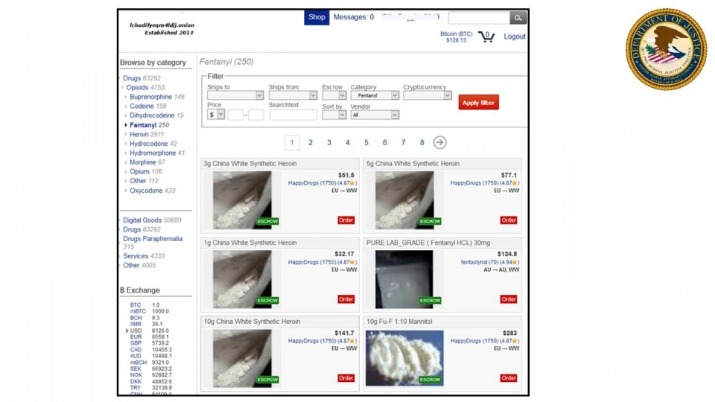
Multiseller Network

In total, nearly USD 4 billion was stolen in 2022 through the main types of crypto theft studied by TRM Labs. For example, organizers and higher-ranking members of a Telegram group may provide trading signals to other group members several minutes after they have already traded. This helps the leaders of the group profit at the expense of the other members, who are misled to believe that they will profit by buying or selling the relevant token at the organizers’ direction. The hackers’ self-proclaimed leader, Avraham Eisenberg, later revealed his identity and characterized his team’s activities as a “highly profitable trading strategy” rather than a hack. Market manipulation in the cryptocurrency space can involve various schemes designed to artificially influence the price of a cryptocurrency or token. These schemes can include pump and dump schemes, scalping, touting, and front-running.
Agentic AI–Driven Threat Intelligence Tailored For Every Function
One of the more intriguing developments in Tor usage is Germany surpassing the United States in user numbers for the first time. Analysts speculate that this shift may be tied to growing privacy concerns in Europe, alongside a broader cultural acceptance of encrypted communication tools. In March 2022, a series of raids by Brazilian police on a gang accused of running a EUR 780 million illegal cryptocurrency scheme. Despite promising investors healthy returns, the criminals used investor funds to buy real estate, jewelry, cars, boats, and luxury clothing. One challenge for such on-chain surveillance is that criminals frequently cash out using brokers who exchange physical banknotes for privacy coins deposited to their receiving address.
Vendor Rules & Standards
To understand how these hidden marketplaces operate and why they continue to flourish, it’s useful to examine the primary trends that define today’s underground economy. Due to their lack of KYC requirements, unregulated status and domicile in opaque jurisdictions, high-risk VASPs are frequently used to cash out illicit cryptocurrency earnings. The obtained fiat currency can then be spent on a variety of goods and services. Although gambling is legal and socially acceptable in many jurisdictions, it has long been a useful method of laundering funds from illicit activity.
Russian Market has consistently remained one of the most popular and valuable data stores on the dark web. The platform’s activity has increased significantly over the past year, indicating its growing influence and market share in the underground economy. Whereas, Pyramid schemes focus on recruitment rather than legitimate products, often disguised as crypto investments. With decentralized finance (DeFi) and social media amplifying scams, investors must remain vigilant against fraudulent schemes. Apart from the dark web markets that are operating online today, some raided platforms influenced many markets. By supplying stolen data, these dark web links fuel many online scams and identity theft operations, playing a critical role in the darker aspects of the internet.
Federal Financial Data
Malware is often disguised as legitimate listings, which unsuspecting users download, allowing cybercriminals to spy on activities or steal additional data. Operating since 2014, Brian’s Club is a long-running marketplace devoted to stolen credit card information, including dumps and CVVs. It maintains a reputation for offering fresh data through regular updates, sometimes in the form of auctions where buyers bid on newly acquired databases. Accepted payment methods include Bitcoin (BTC), Litecoin (LTC), and Cryptocheck. Thanks to its established track record and consistent influx of compromised financial data, Brian’s Club has built a large user base focused on fraud-related activities.
Discover More About Threat Intelligence

TRM Labs research found that the scheme has received nearly USD 400 million since 2020. The apparent successor to Forsage, Meta Force, received about USD 574 million in 2022. For example, human trafficking victims have been found to be working in illegal call centers run by Chinese criminal syndicates operating cryptocurrency pig butchering scams. These scams rely on psychological manipulation to wipe out victims’ life savings on the promise of making large returns on their investments. According to the FBI, people lured by false job advertisements offering lucrative pay later have their passports confiscated and are coerced into committing crypto fraud. More recently, authorities in the Philippines reportedly rescued victims who had allegedly been trafficked to work in a crypto scam call center based in Cambodia.